Robot vacuum cleaners have transformed modern home cleaning, offering convenience and smart automation. These compact devices are designed to handle dust, dirt, and pet hair with minimal human effort. Over the years, they have become more advanced, featuring sensors, AI navigation, and even self-cleaning docks. While many homeowners embrace them as a game-changer, others remain skeptical about their practicality.
In this article, we’ll dive deep into the advantages and disadvantages of robot vacuum cleaners, helping you decide whether they’re truly worth investing in.
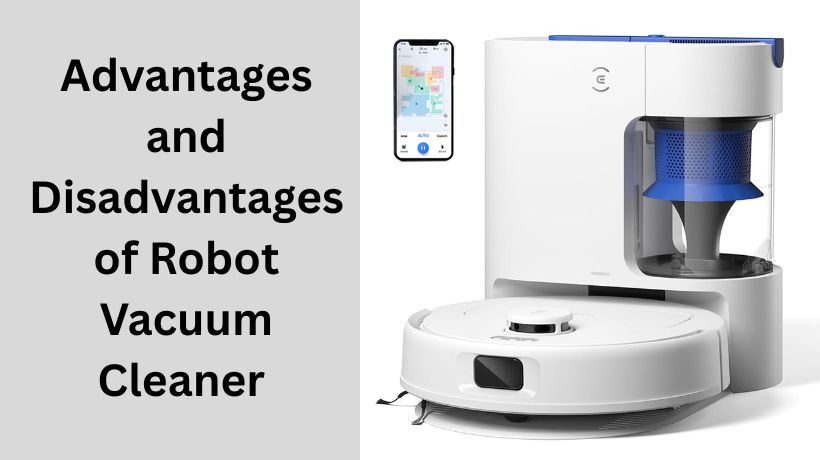
Robot Vacuum Cleaners: Advantages and Disadvantages
Advantages | Disadvantages |
Hands-free convenience | High purchase cost |
Time-saving automatic cleaning | Less powerful than traditional vacuums |
Smart navigation and mapping | Small dustbin capacity |
Works on multiple floor types | Struggles with corners and edges |
Compact size, easy storage | Needs regular maintenance |
Automatic scheduling |
Advantages of Robot Vacuum Cleaners
1. Convenience and Hands-Free Cleaning
The biggest advantage of robot vacuum cleaners is the convenience they bring. With just a tap on your smartphone or even a voice command, the device can start cleaning without you having to lift a finger. For busy individuals, elderly people, or those with mobility issues, this feature is invaluable.
Unlike traditional vacuum cleaners that require manual operation, robot vacuums operate autonomously and can clean while you’re working, relaxing, or even away from home.
2. Time-Saving
Time is a precious resource, and robot vacuum cleaners help save it. Instead of spending 30–60 minutes vacuuming floors manually, you can schedule your robot cleaner to do the job every day. While you handle other tasks, it keeps your home tidy. For households with kids or pets, this frequent cleaning routine ensures a dust-free environment without constant effort.
3. Smart Navigation and Mapping
Modern robot vacuum cleaners are equipped with Lidar sensors, cameras, and AI-based TrueMapping technology, enabling them to create accurate maps of your home. This allows them to plan efficient cleaning routes, avoid obstacles, and cover every corner without unnecessary repetition.
Unlike early models that moved randomly, today’s smart vacuums clean strategically and ensure higher coverage in less time.
4. Compact Design and Easy Storage
Robot vacuums are compact and sleek compared to bulky upright or canister vacuums. Their small size makes them easy to store under furniture or in a corner. Many models also feature a charging dock that doubles as a storage station, saving additional space.
5. Automatic Scheduling
Most robot vacuum cleaners come with an auto-scheduling feature. You can set specific times for daily or weekly cleaning, and the device will start on its own. For example, you can program it to clean while you’re at work, so you return to a spotless home every evening.
6. Multi-Surface Cleaning
Robot vacuum cleaners are designed to handle multiple floor types, including hardwood, tiles, marble, laminate, and carpets. Many models can automatically adjust suction power based on the surface, ensuring deeper cleaning on carpets and gentle sweeping on hard floors.
7. 2-in-1 Vacuum and Mopping Function
Advanced models now come with 2-in-1 features—they can vacuum and mop at the same time. For Indian households with dusty floors and occasional spills, this feature eliminates the need for separate cleaning sessions. Some high-end versions even use vibrating mop pads or hot water mop washing to mimic manual scrubbing.
8. Pet-Friendly Features
Pet owners benefit greatly from robot vacuums. These devices can pick up pet hair, dander, and dirt multiple times a day, reducing allergies and keeping the home fresh. Some models also include anti-tangle brushes that prevent hair from clogging the system.
9. Smart Home Integration
Many robot vacuums integrate seamlessly with smart home ecosystems like Amazon Alexa, Google Assistant, and Apple HomeKit. You can control them using voice commands such as “Alexa, start cleaning.” The ability to manage cleaning through apps, remote access, or voice assistants makes them truly modern appliances.
10. Quiet Operation
Compared to traditional vacuum cleaners, robot vacuums generally operate more quietly. This makes them ideal for cleaning in the background while you’re watching TV, working, or even sleeping.
11. Energy-Efficient
Robot vacuum cleaners are designed to consume relatively less electricity compared to manual vacuuming sessions with larger machines. Many models automatically return to their charging dock when the battery runs low, ensuring efficiency without human intervention.
12. Consistent Cleaning Routine
Because robot vacuums can be scheduled to clean daily or multiple times a week, they maintain a consistent level of cleanliness. Unlike manual cleaning, which may be skipped due to busy schedules, robot cleaners ensure your floors are always maintained.
13. Accessibility in Hard-to-Reach Areas
Due to their low-profile design, robot vacuums can easily slide under beds, sofas, and cabinets—places that are often neglected during manual cleaning. This ensures a deeper and more thorough cleaning experience.
Disadvantages of Robot Vacuum Cleaners
While robot vacuum cleaners are innovative, they are not perfect. Here are the key drawbacks:
1. High Initial Cost
One of the biggest disadvantages is the price. Good-quality robot vacuums with advanced features like mapping, self-emptying bins, or mop functions can be quite expensive compared to traditional vacuum cleaners. Budget-friendly models exist, but they may lack the features or power of premium devices.
2. Not as Powerful as Upright Vacuums
Despite technological improvements, robot vacuum cleaners generally have less suction power than high-end upright or canister vacuums. They may struggle with deep carpet cleaning or picking up large debris, making them more suitable for everyday maintenance rather than heavy-duty cleaning.
3. Limited Dustbin Capacity
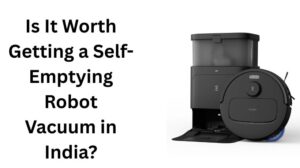
Robot vacuums have smaller dustbins compared to traditional vacuums. This means they need frequent emptying, especially in households with pets or lots of dust. While some advanced models feature auto-empty stations, these come at an additional cost.
4. Navigation Challenges
Although mapping technology has improved, robot vacuums can still face difficulties with cluttered spaces, uneven flooring, dark carpets, or reflective surfaces. They might get stuck under low furniture or tangled in cords. Extra effort may be required to make the room “robot-friendly.”
5. Battery Limitations
Robot vacuums run on rechargeable batteries, which typically last between 90–300 minutes depending on the model. Large houses may require multiple charging cycles to complete cleaning. While many robots auto-recharge and resume, this extends cleaning time significantly.
6. Maintenance Requirements
Though they save time on cleaning, robot vacuums require regular maintenance. Brushes need to be cleaned, filters changed, and sensors wiped. For models with a mopping function, water tanks and mop pads need frequent cleaning to prevent odor and bacterial growth.
7. Struggles with Corners and Edges
Round-shaped robot vacuums often struggle to clean tight corners or edges effectively. Some models include side brushes to reach these areas, but the results may not be as thorough as manual cleaning.
8. Mopping Limitations
While 2-in-1 models can mop, the mopping function is often less effective than traditional manual mopping. They are better for light cleaning rather than deep scrubbing of stains or sticky spills.
9. Noise for Sensitive Users
Although robot vacuums are quieter than traditional vacuums, some people may still find them noisy, especially during night cleaning or when using high suction modes.
10. Dependence on Technology
Robot vacuums rely heavily on sensors, Wi-Fi, and software. If the Wi-Fi connection fails, apps may not function properly. Additionally, software glitches or outdated firmware can affect performance.
11. Not Ideal for Multi-Level Homes
Robot vacuums are not designed to climb stairs. If you live in a multi-story house, you’ll need to manually move the vacuum to different floors, which reduces the “fully automated” appeal.
12. Potential Damage to Objects
While most robot vacuums have obstacle detection, there’s still a risk of them bumping into fragile furniture or dragging light objects like cables and curtains. This requires some supervision, especially in cluttered environments.
13. Recurring Costs
Apart from the initial investment, users must replace filters, brushes, and mop pads regularly. Some models also require proprietary dust bags for self-emptying stations, adding to the ongoing expenses.
Frequently Asked Questions (FAQ)
1. Are robot vacuums worth it in India?
Yes, robot vacuums are becoming increasingly popular in India, especially in urban households. They are ideal for people with busy schedules, elderly family members, or homes with pets. Modern models are designed to handle Indian flooring types such as tiles, marble, and wood. However, they may not completely replace deep manual cleaning or traditional mopping. If you want daily dust removal and convenience, they are definitely worth it.
2. Can a robot vacuum cleaner replace a maid?
A robot vacuum can reduce dependence on a maid by taking over daily sweeping and even light mopping. However, it cannot fully replace a maid because tasks like washing utensils, cleaning walls, washing clothes, or deep mopping still require human effort. Think of it as a helper that keeps your floors consistently clean rather than a complete replacement for household help.
3. What is the average lifespan of a robot vacuum?
On average, a good-quality robot vacuum lasts 4 to 6 years with proper maintenance. Regular cleaning of filters, brushes, and sensors, along with timely battery replacements, can extend its lifespan. Premium models with strong build quality often last longer compared to budget options.
4. Can a robot vacuum replace a normal vacuum?
Not entirely. A robot vacuum is excellent for everyday floor cleaning and maintaining dust-free surfaces, but it may not match the deep suction power of traditional vacuums, especially for thick carpets or large debris. Ideally, it should be used as a complement to a normal vacuum rather than a complete replacement.
Final Verdict
Robot vacuum cleaners bring a level of convenience, automation, and smart home integration that traditional vacuums cannot match. They are excellent for maintaining daily cleanliness, especially in households with pets and children. However, they are not a complete replacement for manual cleaning.
If you’re looking for a tool to reduce your cleaning workload and maintain a consistently clean floor, a robot vacuum is a worthwhile investment. But if you want deep, thorough cleaning on a budget, a traditional vacuum cleaner might still be the better choice.